Constant care and regular evaluation are important for a foot or ankle fracture. If left untreated, foot or ankle fractures can worsen over time and create more serious problems.
Don't wait to be examined if you believe you've experienced a foot or ankle fracture.
Baseball involves running, sliding, and quick turns that place strong stress on the feet and ankles. Baseball-related injuries occur when a player twists an ankle while rounding a base, lands awkwardly after a jump, or is struck by a fast-moving ball. Other problems include ankle sprains, which happen when the ligaments that hold the joint together stretch or tear, and fractures, which are cracks or breaks in the bones. Sliding into bases can lead to painful impacts or skin injuries around the toes and heels. Cleats that do not fit well may cause blisters, nail damage, or nerve pressure that affects comfort and balance. A podiatrist can examine the injury and order imaging tests to determine its severity. Treatment includes supportive bracing, protective devices, or custom shoe inserts to improve stability and recovery. If you have sustained a foot or ankle injury while playing baseball, it is suggested that you make an appointment with a podiatrist for an exam, diagnosis, and treatment.
Ankle and foot injuries are common among athletes and in many sports. They can be caused by several problems and may be potentially serious. If you are feeling pain or think you were injured in a sporting event or when exercising, consult with one of our podiatrists from Lakeside Foot and Ankle Center. Our practitioners will assess your condition and provide you with quality foot and ankle treatment.
Common Injuries
The most common injuries that occur in sporting activities include:
Achilles Tendonitis
Achilles Tendon Rupture
Ankle Sprains
Broken Foot
Plantar Fasciitis
Stress Fractures
Turf Toe
Symptoms
Symptoms vary depending upon the injury and in some cases, there may be no symptoms at all. However, in most cases, some form of symptom is experienced. Pain, aching, burning, bruising, tenderness, tightness or stiffness, sensation loss, difficulty moving, and swelling are the most common symptoms.
Treatment
Just as symptoms vary depending upon the injury, so do treatment options. A common treatment method is known as the RICE method. This method involves rest, applying ice, compression and elevating the afflicted foot or ankle. If the injury appears to be more serious, surgery might be required, such as arthroscopic or reconstructive surgery. Lastly, rehabilitation or therapy might be needed to gain full functionality in the afflicted area. Any discomfort experienced by an athlete must be evaluated by a licensed, reputable medical professional.
If you have any questions please contact our offices located in Leesburg and The Villages, FL. We offer the newest diagnostic and treatment technologies for all your foot and ankle needs.
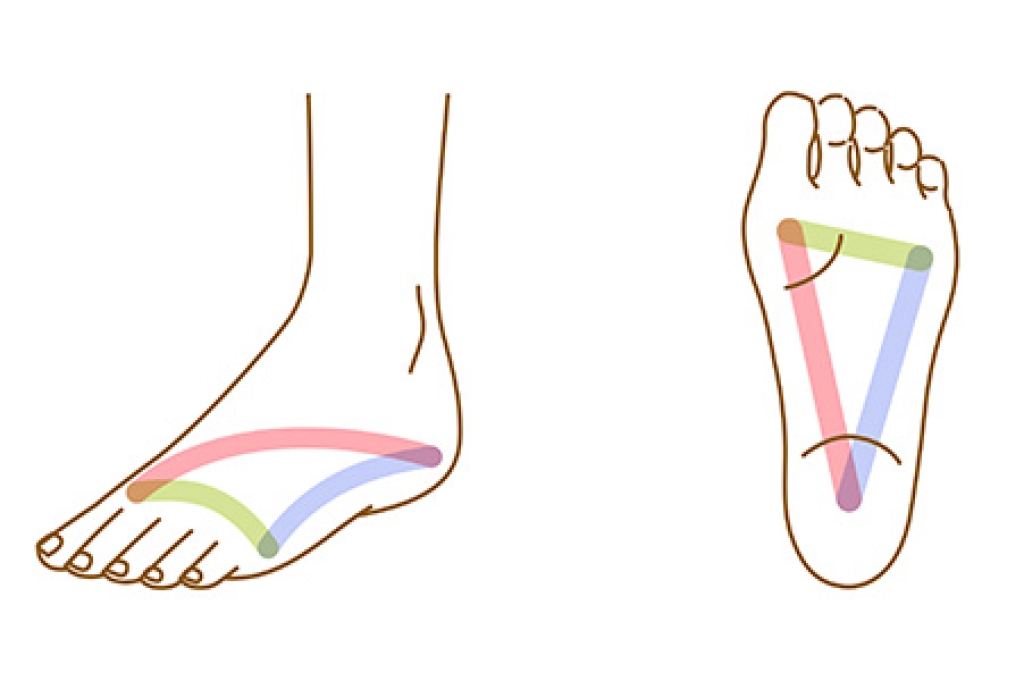
Foot arch pain can affect people of all ages and activity levels. The arch runs from the ball of the foot to the heel and acts as a natural shock absorber when walking, running, or standing. Pain in this area may feel dull, throbbing, burning, or sharp. It can develop from overuse, injuries, weakened tendons, stress fractures, or structural differences, such as very high or very flat arches. One frequent cause is inflammation of the plantar fascia, a thick band of tissue that supports the arch and helps maintain balance. Symptoms may include stiffness in the morning, swelling, or discomfort that worsens after long periods on the feet. A podiatrist can identify the source of arch pain through a physical exam, gait evaluation, and imaging tests. Treatment options include custom orthotics, bracing, or more advanced medical care to restore function and relieve discomfort. If you are experiencing pain in the arch of your foot, it is suggested that you make an appointment with a podiatrist for an exam, diagnosis, and treatment.
Foot Pain
Foot pain can be extremely painful and debilitating. If you have a foot pain, consult with one of our podiatrists from Lakeside Foot and Ankle Center. Our practitioners will assess your condition and provide you with quality foot and ankle treatment.
Causes
Foot pain is a very broad condition that could be caused by one or more ailments. The most common include:
Bunions
Hammertoes
Plantar Fasciitis
Bone Spurs
Corns
Tarsal Tunnel Syndrome
Ingrown Toenails
Arthritis (such as Gout, Rheumatoid, and Osteoarthritis)
To figure out the cause of foot pain, podiatrists utilize several different methods. This can range from simple visual inspections and sensation tests to X-rays and MRI scans. Prior medical history, family medical history, and any recent physical traumatic events will all be taken into consideration for a proper diagnosis.
Treatment
Treatment depends upon the cause of the foot pain. Whether it is resting, staying off the foot, or having surgery; podiatrists have a number of treatment options available for foot pain.
If you have any questions, please feel free to contact our offices located in Leesburg and The Villages, FL. We offer the newest diagnostic and treatment technologies for all your foot care needs.
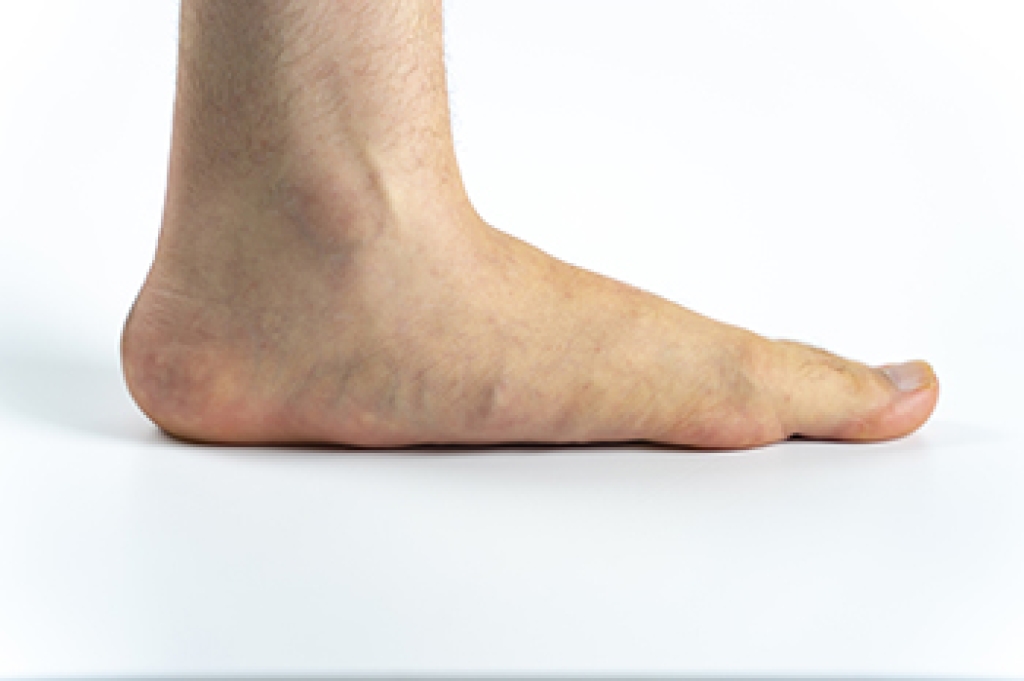
Flat feet occur when the arch on the inside of the foot is low or missing, causing most of the sole to touch the ground while standing or walking. The arch helps absorb shock and spread body weight during movement. When it flattens, the foot may roll inward and place strain on muscles and joints. Some people with flat feet have no symptoms, but others develop pain in the arch, heel, or ankle. Pain often worsens after long periods of standing or walking. Swelling along the inside of the ankle, tired feet, or shoes wearing out unevenly may also occur. Flat feet may develop when arches fail to form during childhood, or when supportive tissues weaken with age. Injury, arthritis, excess body weight, or inherited conditions can also affect foot structure. If you have flat feet, it is suggested that you make an appointment with a podiatrist for an exam, diagnosis, and treatment.
Flatfoot is a condition in which the arch of the foot is depressed and the sole of the foot is almost completely in contact with the ground. About 20-30% of the population generally has flat feet because their arches never formed during growth.
Conditions & Problems:
Having flat feet makes it difficult to run or walk because of the stress placed on the ankles.
Alignment – The general alignment of your legs can be disrupted, because the ankles move inward which can cause major discomfort.
Knees – If you have complications with your knees, flat feet can be a contributor to arthritis in that area.
Symptoms
Pain around the heel or arch area
Trouble standing on the tip toe
Swelling around the inside of the ankle
Flat look to one or both feet
Having your shoes feel uneven when worn
Treatment
If you are experiencing pain and stress on the foot you may weaken the posterior tibial tendon, which runs around the inside of the ankle.
If you have any questions, please feel free to contact our offices located in Leesburg and The Villages, FL. We offer the newest diagnostic and treatment technologies for all your foot care needs.
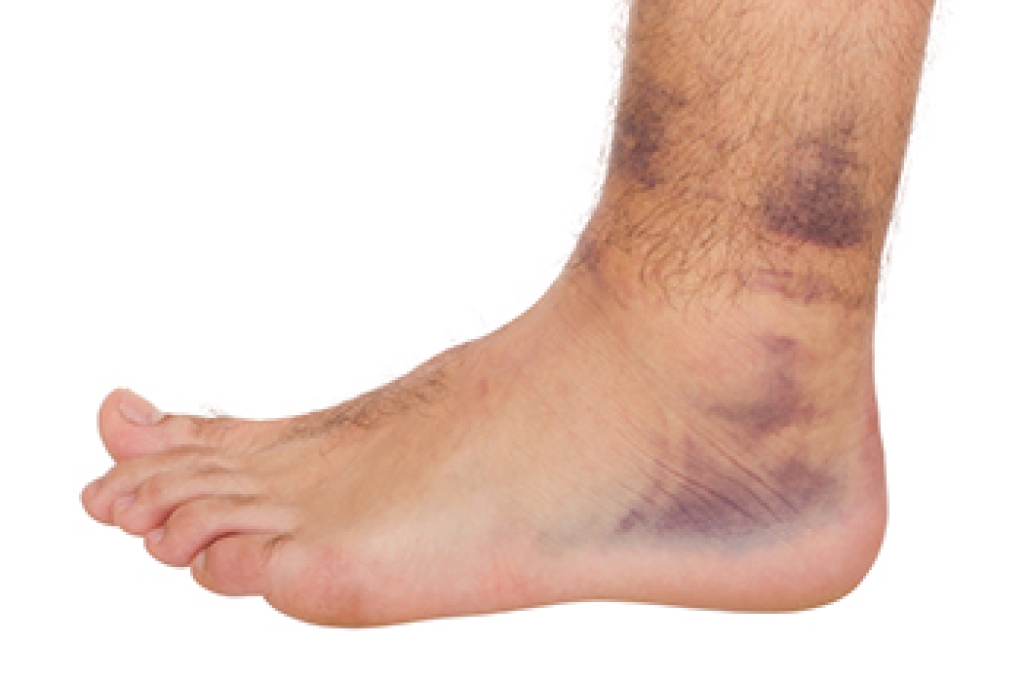
An ankle sprain is a common musculoskeletal injury that occurs when the ligaments supporting the ankle stretch or tear due to sudden twisting or rolling of the joint. Causes often include sports activities, uneven surfaces, wearing improper footwear, or missteps during daily movement. Risk factors include previous ankle injuries, weak ankle muscles, poor balance, and high-impact activities. Symptoms typically involve pain, swelling, bruising, tenderness, and difficulty bearing weight. A mild or Grade I sprain involves slight ligament stretching. A moderate or Grade II sprain includes partial tearing with noticeable swelling. Lastly, a severe or Grade III sprain is a complete ligament tear causing instability. A podiatrist can provide an accurate diagnosis, personalized treatment, and rehabilitation. If you have endured an ankle sprain, it is suggested that you consult a podiatrist who can offer effective relief and treatment solutions.
Although ankle sprains are common, they aren’t always minor injuries. If you need your ankle injury looked at, contact one of our podiatrists from Lakeside Foot and Ankle Center. Our practitioners can provide the care you need to keep you pain-free and on your feet.
How Does an Ankle Sprain Occur?
Ankle sprains are the result of a tear in the ligaments within the ankle. These injuries may happen when you make a rapid shifting movement while your foot is planted. A less common way to sprain your ankle is when your ankle rolls inward while your foot turns outward.
What Are the Symptoms?
Pain at the sight of the tear
Bruising/Swelling
Ankle area is tender to touch
In severe cases, may hear/feel something tear
Skin discoloration
Preventing a Sprain
Wearing appropriate shoes for the occasion
Stretching before exercises and sports
Knowing your limits
Treatment of a Sprain
In many cases, the RICE method (Rest, Ice, Compression, and Elevate) is used to treat ankle sprains. However, you should see a podiatrist to see which treatment option would work best with your injury. In severe cases, surgery may be required.
It is important to ask your doctor about rehab options after you receive treatment for your injury. Stretching, strength training, and balance exercises may help the ankle heal while also preventing further injury.
If you have any questions, please feel free to contact our offices located in Leesburg and The Villages, FL. We offer the newest diagnostic and treatment technologies for all your foot care needs.